NAVIGATING CULTURAL NORMS & FINANCIAL ETIQUETTE IN KENYA
Cultural Sensitivity Guidelines
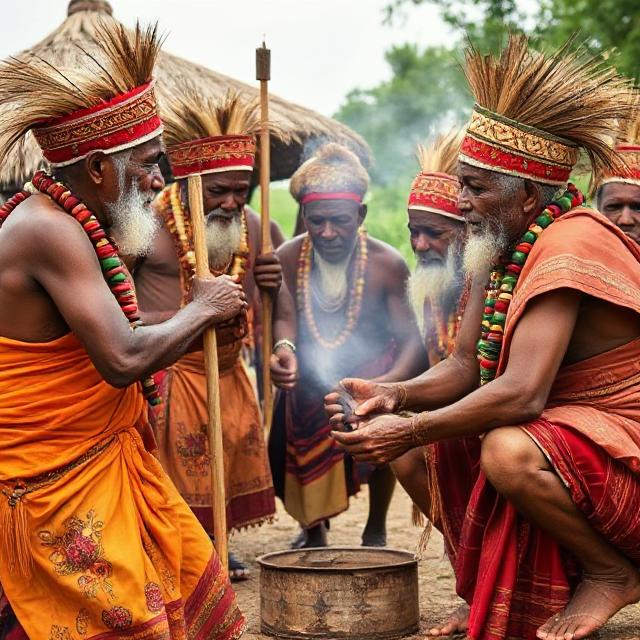
Kenya's diverse cultural landscape requires thoughtful engagement. The traditional greeting "Jambo" or "Habari" should be accompanied by a handshake - often prolonged with elders as a sign of respect. When visiting rural communities, modest dress covering shoulders and knees demonstrates cultural awareness, particularly near places of worship. Photography etiquette demands explicit permission before taking portraits, especially of Maasai warriors or Samburu villagers who may expect compensation.
Mealtime customs vary by ethnicity but generally value communal dining. Among the Kikuyu, refusing food offerings may cause offense, while coastal Swahili communities appreciate compliments on their pilau rice dishes. Conversations should avoid sensitive topics like tribal politics or personal finances initially. Punctuality follows "African time" in social settings, though business meetings increasingly observe scheduled times.
Local Currency Practices
Kenya's official currency is the Kenyan Shilling (KES), with current exchange rates averaging KES 150-160 per US dollar. Financial transactions reveal cultural nuances: cash remains king in rural areas, with crisp bills preferred as worn notes may be refused. Mobile money through M-Pesa dominates daily transactions - even roadside fruit vendors accept this payment method. Foreign cards work in urban ATMs but often incur 3-5% bank charges.
Tipping customs blend colonial legacy and local norms. Safari guides typically receive $10-15 daily from each guest, while restaurant staff expect 5-10% for good service. Market bargaining follows specific protocols - initial prices may be inflated by 30-50% for foreign visitors, but aggressive haggling over small amounts appears disrespectful. Always handle money with your right hand as the left carries cultural taboos.
Community Financial Engagement
Responsible tourism involves understanding local economic structures. Many Maasai villages operate collective funds where craft sale revenues support community projects. When purchasing souvenirs, authentic handmade beads may cost more but directly sustain traditional livelihoods. Ecotourism lodges often employ profit-sharing models with neighboring communities - inquire how your stay benefits local residents.
Seasonal financial considerations affect interactions. School fee periods (January and September) see increased vendor pricing as families generate income. Drought seasons may elevate food costs in pastoralist regions. Religious holidays like Eid-al-Fitr and Christmas witness both festive markets and temporary business closures. Smart travelers carry small denomination notes (KES 50-200) for spontaneous purchases and unexpected community contributions.