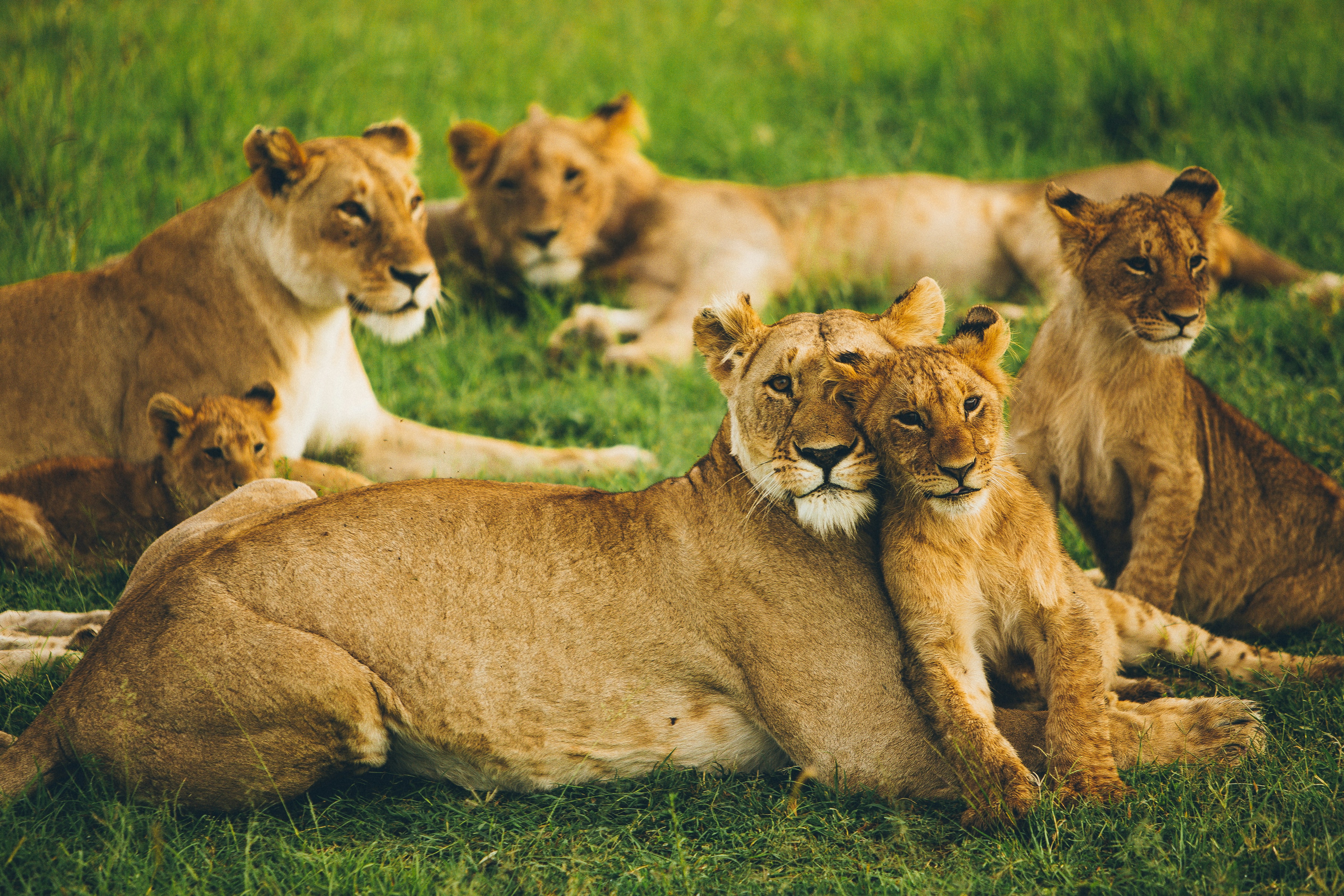
Maasai Mara National Reserve
As one of Africa's most significant conservation areas, the Maasai Mara (1,510 km²) presents a pristine example of the East African savanna ecosystem. The reserve is particularly notable for its role in the annual Great Migration, where approximately 1.5 million wildebeest (Connochaetes taurinus) and 200,000 zebras (Equus quagga) complete a cyclical migration pattern between Tanzania and Kenya. This phenomenon provides exceptional research opportunities in predator-prey dynamics, with the Mara supporting one of Africa's highest lion (Panthera leo) densities. The coexisting Maasai communities offer anthropologists valuable insights into human-wildlife coexistence strategies in pastoralist societies.
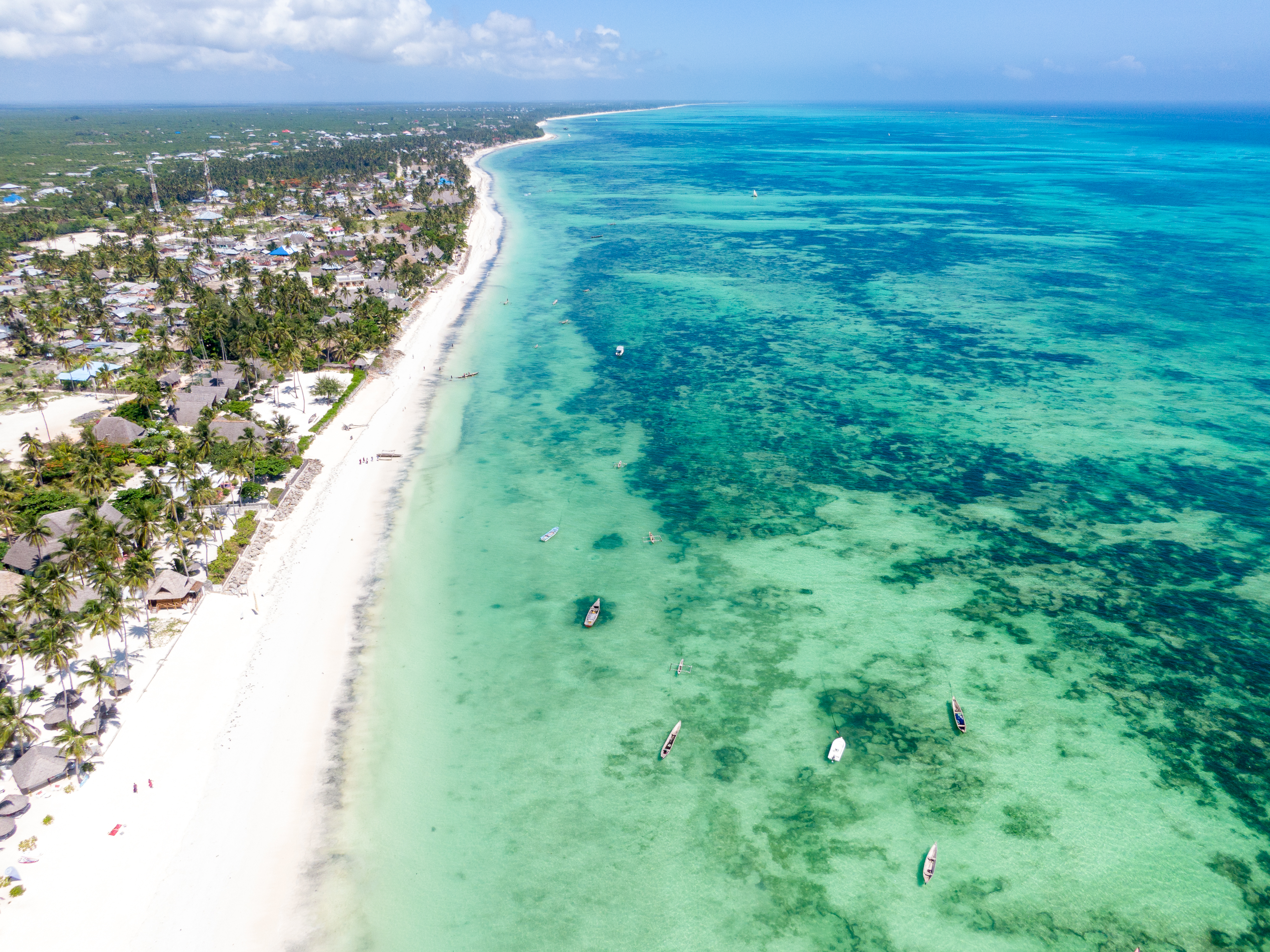
Diani Beach Marine Ecosystem
This 17km stretch of coastline represents a critical case study in coastal zone management. The fringing coral reef system, part of the larger East African Marine Ecoregion, demonstrates remarkable biodiversity with over 600 recorded fish species and 56 genera of hard corals. The adjacent Shimba Hills National Reserve creates a unique terrestrial-marine interface worthy of ecological study. Recent research has focused on the impacts of tourism development on reef health, with particular attention to the endangered Aders' duiker (Cephalophus adersi) population in the coastal forests. The beach's geomorphology also offers insights into Indian Ocean current patterns and coastal erosion processes.
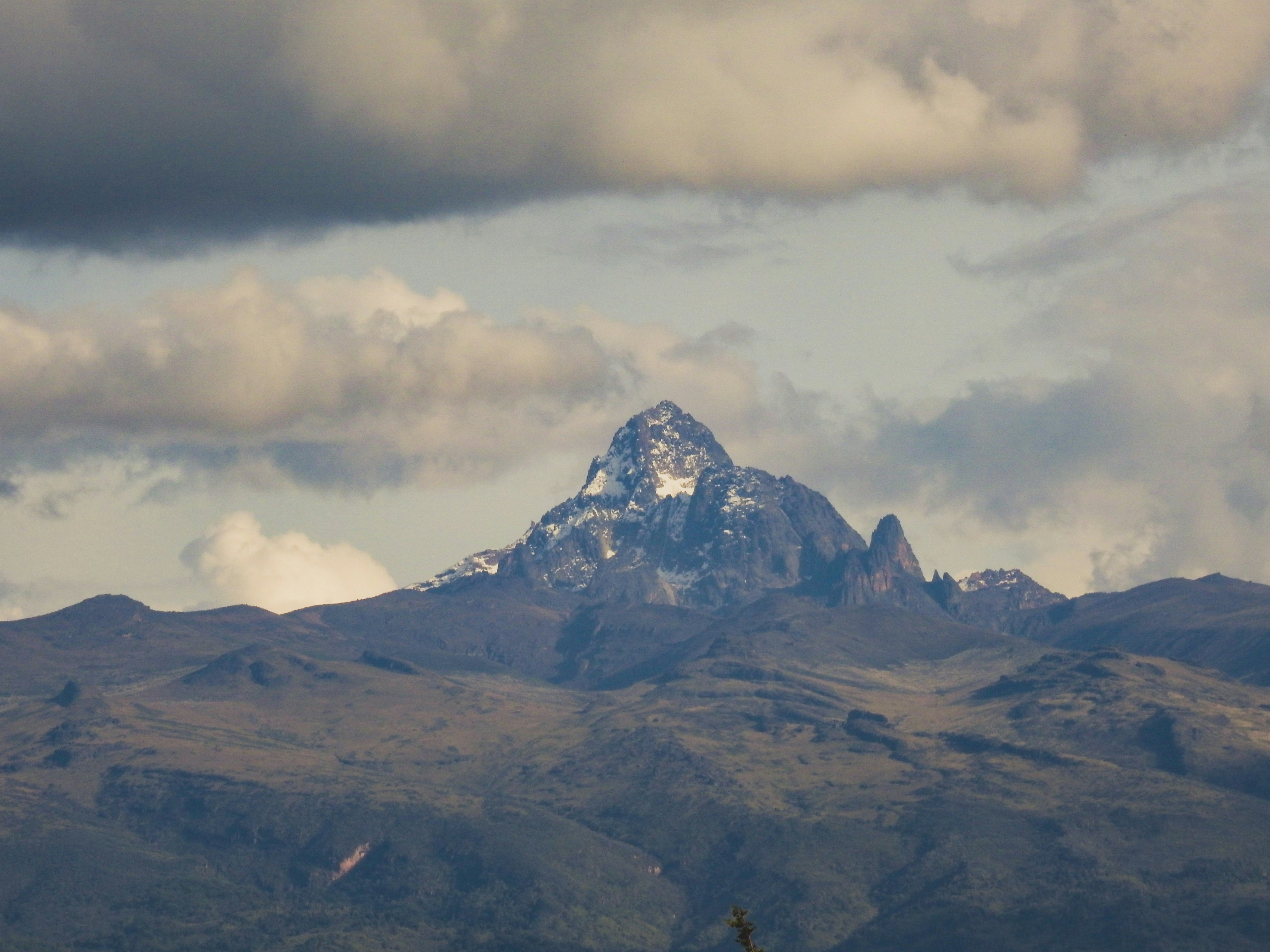
Mount Kenya Biosphere Reserve
As East Africa's second highest peak (5,199m), this extinct volcano presents a textbook example of altitudinal zonation. The mountain's seven distinct ecological zones range from montane forest (2,000-2,500m) to nival zone (above 4,500m), supporting exceptional biodiversity including 11 endemic plant species. Glaciologists monitor its rapidly retreating glaciers (having lost 92% of their mass since 1900) as key climate change indicators. The mountain's cultural significance to the Kikuyu people, who consider it the dwelling place of Ngai (the supreme creator), offers rich material for ethnographic research. Its designation as a UNESCO World Heritage Site (1997) makes it a prime example of successful conservation policy implementation.