Stage 1: Preparation & Research
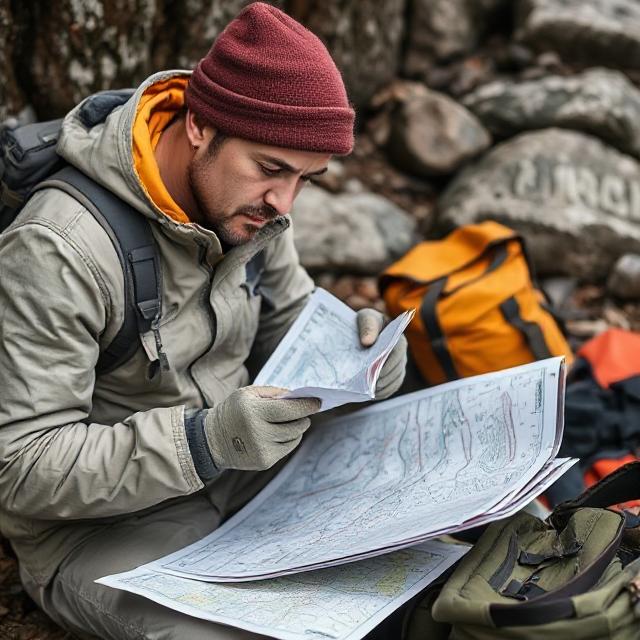
Successful Kenyan exploration requires thorough preparation. Begin with academic research into East African ecosystems, focusing on savanna ecology, coastal marine systems, and montane environments. Secure necessary permits for national parks and research activities (approximately 3-6 months in advance). Consult with local universities like the University of Nairobi's Department of Geography for current fieldwork opportunities. Medical preparations should include yellow fever vaccination and malaria prophylaxis. Pack specialized equipment for field documentation - consider rugged cameras, GPS devices, and water-resistant notebooks. This preparatory phase establishes the academic framework for meaningful field observations.
Stage 2: Fieldwork Implementation
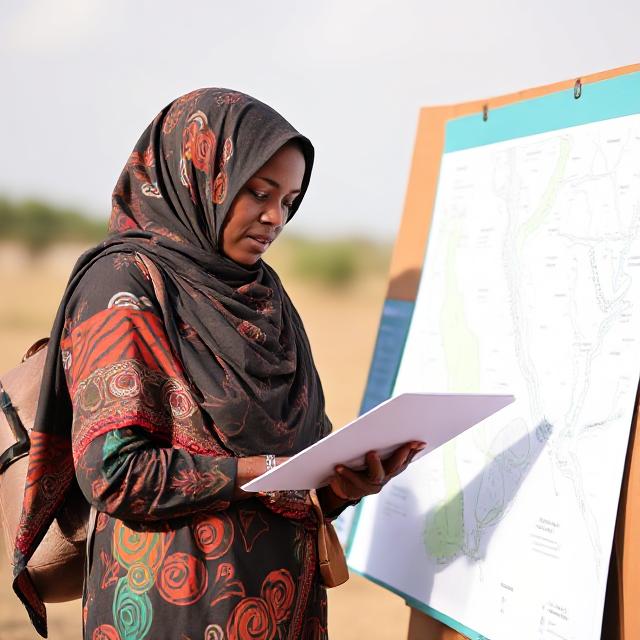
The 21-day fieldwork phase begins with arrival in Nairobi for orientation. Days 1-7 focus on savanna ecosystems at Maasai Mara, documenting predator-prey interactions during morning and evening game drives. Days 8-14 transition to marine studies at Diani Beach, including reef transect surveys and coastal erosion measurements. The final week ascends Mount Kenya's Sirimon route (3,900m), collecting altitudinal biodiversity data. Daily routines combine direct observation (0600-1000h), data recording (1000-1400h), and community engagement (1600-1800h). Maintain detailed field journals noting species sightings, weather patterns, and cultural interactions. Local guides enhance understanding of indigenous ecological knowledge.

Stage 3: Data Analysis & Reporting
Post-expedition work transforms field observations into academic outputs. Organize collected data (photographic evidence, GPS waypoints, species counts) into georeferenced databases. Conduct statistical analysis of biodiversity distribution patterns across the three ecosystems. Compare findings with existing literature from Kenya Wildlife Service reports. Prepare three deliverable outputs: (1) A 5,000-word research paper analyzing ecosystem interdependencies, (2) An illustrated field guide to observed species, and (3) A presentation for the Kenya Geographical Association. This phase typically requires 2-3 months and benefits from collaboration with local academic institutions for data verification and cultural context.